
Life broadly presents us with two paths. The Sanskrit term 'Preyas' denotes the pursuit of short-term pleasures, which, while satisfying, can be depleting. Conversely, 'Shreyas' represents the journey towards long-term well-being and ultimate joy. Embracing the path of Shreyas may not be the ultimate goal of a spiritual practitioner, but it better equips one for … Continue reading The Two Paths of Life in Vedantic Texts: Preyas vs Shreyas
Tag: Vedanta
Sanatana Dharma
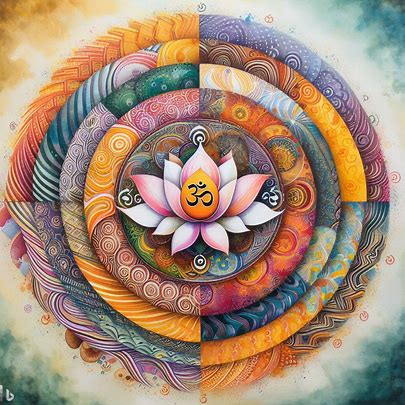
Sanatana Dharma, or eternal religion, is the essence of Hindu doctrine fostering truthfulness and the pursuit of happiness while offering wisdom and values to all of humankind. It emphasises unity and harmony rather than religious division. Dharma, which can be interpreted as duties or laws, is explored in various contexts, from roles in society to the laws of nature. Understanding Sanatana Dharma involves recognising the 'eternal', such as the indestructible Atma, or soul. This pursuit distinguishes everlasting values from temporal ones, guiding us towards virtuous life centred on truth and harmony.
Sannyasa, Principles & Practices

This booklet on Sannyasa captures the key principles and practices related to the ancient tradition. वेदान्तविज्ञानसुनिश्चितार्थाः संन्यासयोगाद् यतयः शुद्धसत्त्वाः । ते ब्रह्मलोकेषु परान्तकाले परामृताः परिमुच्यन्ति सर्वे ॥ Having well ascertained the Self, the goal of the Vedantic knowledge and having purified their minds through the practice of sannyasa, the seers, in the end, gain the world of Brahma, and liberating themselves from everything gain the supreme immortality
A Yogi’s Non-dual Realization
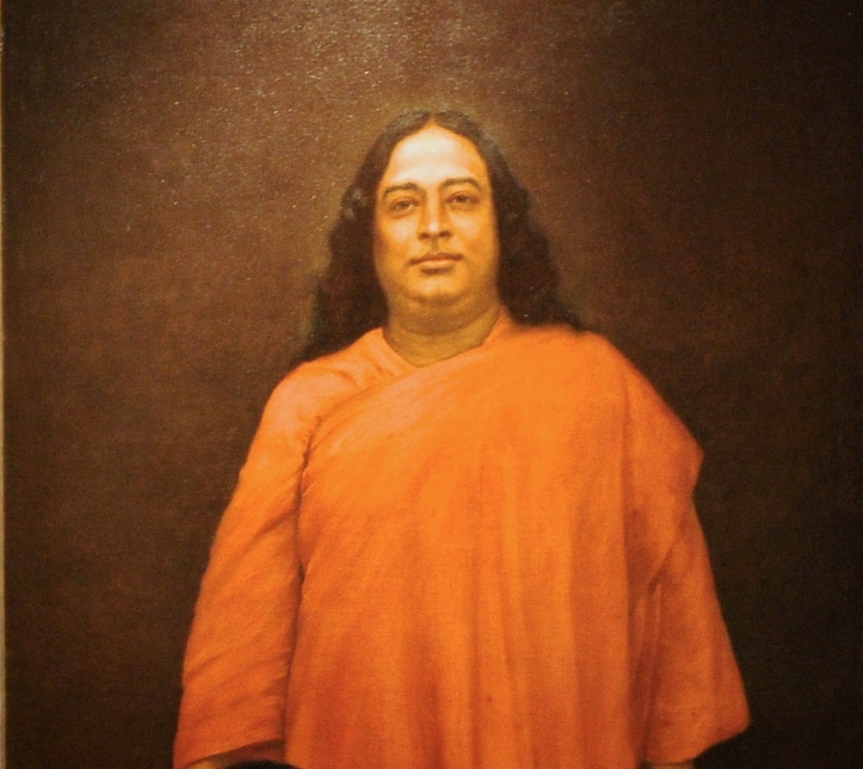
An Insight into Paramahansa Yogananda's Poem on Samadhi In the realms of spirituality, it is commonly asserted that mere knowledge, without experience and insight, cannot lead one to personal realization. However, within recognized philosophical systems, many of the Yogis’ mystical experiences are denied the necessary ontological status due to such experiences being subjective in nature. Furthermore, they are rarely given any epistemic value outside the subject’s dedicated following as the means to its replication is not commonly available. Nevertheless, an experience such as Samadhi is regarded with certain degree of interest across all the varied Indian philosophical schools.
 Swami Nirgunananda Giri